Gum health is one of the most important aspects of overall oral health. Gum recession is a common problem that many people face, and if left untreated, it can lead to serious tooth loss. Gum grafting (gum transplant) is an effective surgical treatment used to address such issues. When gum recession exposes tooth roots, aesthetic concerns and tooth sensitivity may arise. At LHC Clinic, we offer the best treatment methods to help you preserve your gum health and achieve a healthy smile.
🧵 What Is Gum Grafting?
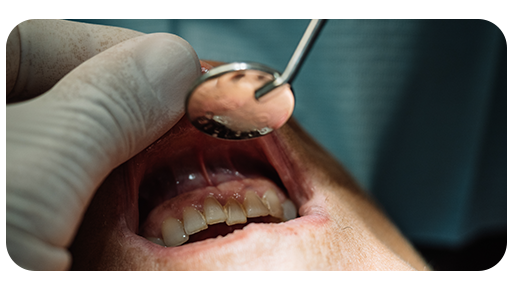
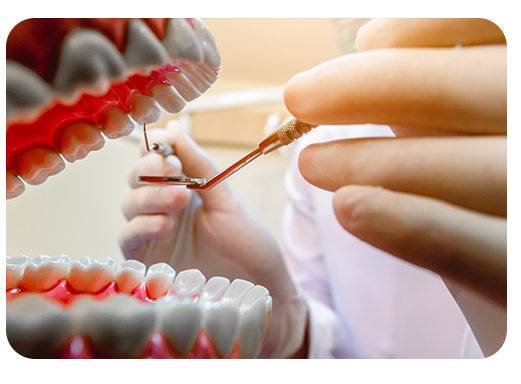
Gum grafting is a surgical procedure used to reconstruct lost gum tissue due to gum recession. This procedure is applied to protect tooth roots, improve the aesthetic appearance of the teeth, and support oral health.
Gum recession can be caused by poor oral hygiene, aggressive brushing, teeth grinding, or genetic factors. With grafting, healthy tissue is added to restore the gum tissue to its original form and return the gum line to its natural state.
🎯 Why Is Gum Grafting Performed?
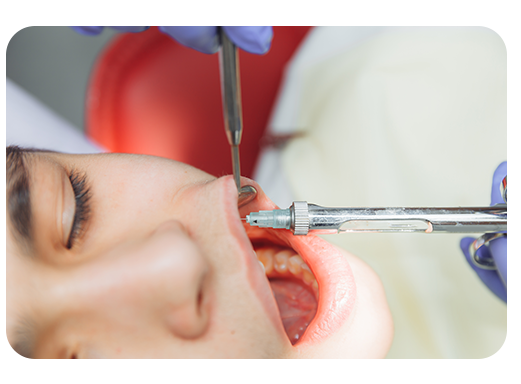
🦷 How Is Gum Grafting Performed?
🦷 Gum Grafting is Suitable for Patients Who Experience:
🦷 Aftercare Tips for a Healthy Recovery After Gum Grafting:


✅ Is Gum Grafting Safe?
Yes, gum grafting is a safe and effective procedure when performed by a skilled dentist. At LHC Clinic, we provide the most comfortable treatment options using modern medical techniques. However, as with any surgical procedure, patients must follow instructions carefully and monitor the healing process.
⏱️ How Long Does Gum Grafting Take?
Gum grafting typically takes between 45 minutes and 1 hour. The duration of the procedure depends on the type of graft used and the patient's specific condition. The recovery process usually takes about 1-2 weeks.
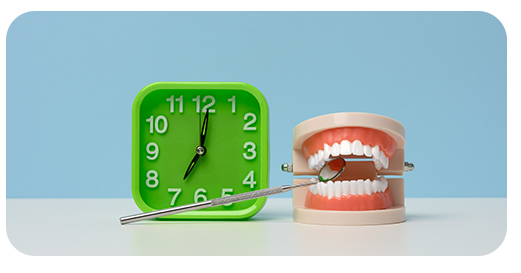

💊 Pain and Discomfort After Gum Grafting
Mild discomfort or pain may be felt after the procedure, but this can be controlled with pain medication prescribed by the dentist. Following the recommended care routine will help minimize discomfort during the recovery process.
🦷 Long-Term Results of Gum Grafting
When proper care and oral hygiene are maintained, gum grafting offers long-lasting and permanent results. However, if the factors causing gum recession (such as aggressive brushing or teeth grinding) continue, new recession may occur. Therefore, regular dental checkups are essential.
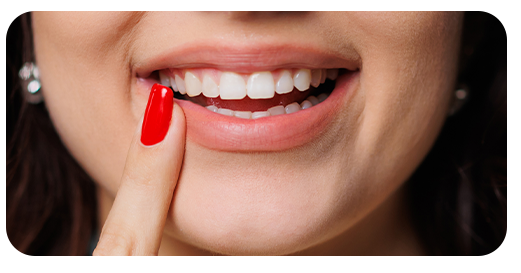

🦷 Gum Grafting for Healthy Gums
Gum grafting is one of the most effective methods for improving gum health and addressing aesthetic concerns. Patients experiencing gum recession can achieve a healthy and aesthetically pleasing smile with this treatment. At LHC Clinic, our expert dentists provide the best treatment services. If you're experiencing gum recession and considering treatment options, feel free to contact us for more information.
Remember, with regular dental care and checkups, you can maintain healthy gums!
Good for Teeth:
• Dairy products (yogurt, cheese) rich in calcium
• Crunchy vegetables and fruits that stimulate saliva
• Water and green tea, which help cleanse the mouth
Avoid or Limit:
• Sugary snacks and drinks
• Sticky candies
• Acidic foods and drinks like citrus fruits and soda
Balanced nutrition supports not only oral health but also overall well-being.
Teeth Grinding Habit: Its Relation to Stress and Solutions Teeth grinding, or bruxism, is closely linked to stress, anxiety, and tension. Solutions include: • Using a night guard • Stress-reduction practices (yoga, therapy, exercise) • Mindfulness techniques to become aware of daytime clenching Addressing the root causes of stress can significantly reduce grinding episodes.
Facts:
• Frequent sugar intake feeds bacteria in the mouth, producing acids that erode enamel
• Even natural sugars can contribute to decay if oral hygiene is poor
Myths:
• Only candy causes cavities—actually, starchy foods and sweetened drinks can be just
as harmful
• Brushing right after eating sweets prevents cavities—it's better to wait 30 minutes to
avoid brushing softened enamel
Porcelain Laminates:
• Long-lasting and stain-resistant
• High aesthetic value with natural translucency
• Require more tooth preparation
Composite Laminates:
• Applied directly in the dental chair
• More budget-friendly
• Easier to repair but less durable and more prone to discoloration
Which to Choose?
Porcelain laminates are preferred for long-term, high-aesthetic cases, while composite
laminates are a good option for quicker, more affordable smile improvements.
Missing teeth can lead to:
• Shifting of adjacent teeth, causing bite problems
• Bone loss in the jaw over time
• Speech difficulties and chewing inefficiency
• Psychological effects, such as lowered self-esteem
Timely replacement with suitable dental prostheses can prevent these complications.